
Understanding Sandpaper Grits and Their Proper Usage
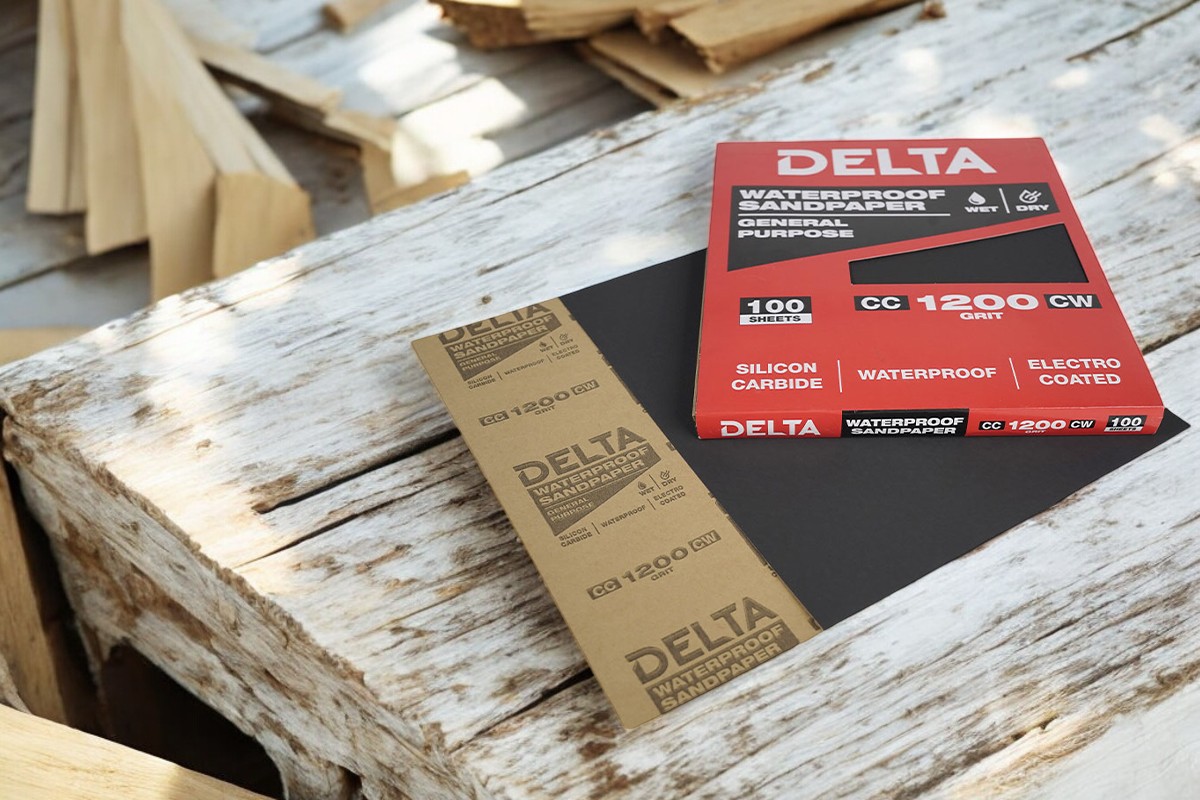
Sandpaper is a versatile tool used for various tasks, from smoothing rough surfaces to preparing materials for painting or finishing. To achieve the desired results, it's essential to understand the different sandpaper grits and their specific uses. Each grit size serves a distinct purpose, and using the correct grit for a particular task can significantly impact the quality of your work. Here's a comprehensive guide on the various sandpaper grits and how to use them effectively.
What Are Sandpaper Grits?
Sandpaper grit refers to the size of the abrasive particles on the sandpaper surface. The grit number indicates the coarseness or fineness of the sandpaper, with lower numbers representing coarser grits and higher numbers indicating finer grits. Coarse grits remove material quickly, while finer grits smooth surfaces and prepare them for finishing.
Different Sandpaper Grits and Their Uses
- Extra Coarse Grit (24-36)
- Use: Extra coarse sandpaper is used for aggressive material removal. It is suitable for heavy stripping, rough sanding of wood, or removing thick layers of paint, rust, or varnish. It can also be used to shape wood or smooth rough edges.
- Application: This grit is generally used for the first stage of sanding when the surface is extremely rough or uneven. It should be followed by finer grits for a smoother finish.
- Coarse Grit (40-60)
- Use: Coarse grit is ideal for removing surface imperfections, old finishes, and rough shaping. It’s commonly used to sand down rough wood surfaces, strip paint from furniture, or smooth out metal surfaces with significant corrosion.
- Application: After using coarse grit, move on to medium grit to further smooth the surface. Coarse grit is effective for initial sanding, but it can leave noticeable scratches that need to be addressed with finer sandpaper.
- Medium Grit (80-120)
- Use: Medium grit sandpaper is suitable for general-purpose sanding. It can be used to prepare wood surfaces for finishing, smooth out rough spots, and remove leftover paint or varnish. It is also useful for shaping wood, blending edges, and lightly sanding between coats of paint or primer.
- Application: This is typically the second step in a sanding process, following coarse grit. Medium grit is versatile enough to provide a smooth finish on most surfaces, making it ideal for woodworking and metalworking.
- Fine Grit (150-180)
- Use: Fine grit is used for the final sanding before applying finishes like paint, varnish, or stain. It creates a smooth surface that’s ready for finishing and is suitable for lightly sanding between coats of finish to remove minor imperfections.
- Application: When preparing a surface for a final finish, fine grit sandpaper ensures that the material is smooth and free of scratches. It can be used on wood, metal, and even plastic to achieve a smooth base.
- Very Fine Grit (220-240)
- Use: Very fine grit is perfect for sanding between coats of finish to ensure a smooth surface. It can also be used for light touch-ups and preparing surfaces for polishing or buffing.
- Application: Ideal for finishing work, very fine grit is commonly used on wood and metal surfaces to achieve a nearly polished appearance. It’s often used between coats of varnish, paint, or lacquer to ensure a flawless final finish.
- Extra Fine Grit (320-400)
- Use: Extra fine sandpaper is used for delicate finishing tasks, such as final sanding before applying a high-gloss finish. It’s suitable for smoothing wood, metal, and other materials for a polished appearance.
- Application: Use extra fine grit sandpaper to smooth out any minor imperfections after applying finishes like paint or varnish. It’s particularly helpful when working on detailed woodwork, furniture refinishing, or metal polishing.
- Super Fine Grit (600 and above)
- Use: Super fine grit is used for ultra-smooth finishes and polishing tasks. It’s ideal for wet sanding, where water is used as a lubricant to create a polished, mirror-like finish on surfaces such as automotive paint, metal, and plastic.
- Application: This grit is commonly used in automotive bodywork to achieve a glossy finish, or in woodworking to polish delicate surfaces. Wet sanding with super fine grit helps prevent clogging and ensures a consistent finish.
Proper Sandpaper Usage Tips
- Start with the Right Grit Sequence
- When sanding a rough surface, start with a coarse grit and progressively move to finer grits. This sequence ensures that deep scratches are removed with the subsequent sanding steps. Skipping grits can leave scratches that are difficult to eliminate.
- Use Sanding Blocks or Backing Pads
- To achieve even pressure and a smooth finish, use sanding blocks or backing pads, especially when working on flat surfaces. This approach prevents uneven sanding and helps achieve better control over the sanding process.
- Keep the Sandpaper Clean
- Sandpaper can clog with dust or paint particles, reducing its effectiveness. Clean the sandpaper regularly with a brush or use specialized sandpaper cleaners to prolong its life.
- Wet Sand for a Smoother Finish
- When using very fine or super fine grit, wet sanding is an effective method. The water acts as a lubricant, reducing friction and preventing the sandpaper from clogging. It’s particularly useful for automotive work and polishing tasks.
- Avoid Excessive Pressure
- Let the sandpaper do the work. Applying too much pressure can cause deep scratches or uneven surfaces. Use light, even pressure and sand in the direction of the grain when working with wood.
- Sand Between Coats
- When applying multiple layers of paint, varnish, or stain, lightly sanding between coats with fine or very fine grit sandpaper can help achieve a smoother finish. This step removes any dust particles or imperfections, ensuring a flawless final appearance.
Conclusion
Choosing the right sandpaper grit for the task at hand is essential for achieving the best results in any project. Understanding the uses of different grits, from extra coarse for heavy material removal to super fine for polishing, can help you achieve a smooth, professional finish on various surfaces. By following proper sanding techniques and using the appropriate grit progression, you can ensure high-quality results on any project, whether it involves wood, metal, or other materials.