
Paint Brushes vs. Paint Rollers: The Differences in Usage
When it comes to painting projects, choosing the right tool is essential for achieving a professional finish. The two most common tools used for applying paint are paint brushes and paint rollers, each with its own advantages and specific uses. Understanding the differences in how and when to use these tools can significantly impact the quality of the final result. Here's a comprehensive guide to help you determine when to use a paint brush or a paint roller, and the benefits of each.

Paint Brushes
Paint brushes are versatile tools that come in various shapes and sizes, making them ideal for a wide range of tasks. The brush's bristles can be made from natural, synthetic, or blended materials, with each type designed for specific paint types and surfaces.
When to Use a Paint Brush
- Detail Work and Trim
- Brushes are perfect for detailed painting tasks, such as painting trim, molding, corners, edges, or small surfaces. The fine bristles allow for precision and control, making it easier to cut in around edges and paint intricate areas.
- Touch-Ups and Small Projects
- For touch-ups, furniture painting, or small areas, a paint brush is the ideal tool. It provides the ability to control the amount of paint applied and allows for easy blending to match the surrounding finish.
- Textured Surfaces
- When painting rough or textured surfaces like wood, brick, or stucco, a brush can better reach the grooves and crevices, ensuring even coverage. The bristles can get into small nooks that a roller may not be able to reach.
- Specialty Finishes and Techniques
- If you're looking to achieve a certain finish, such as a smooth lacquer or a distressed look, a paint brush offers more versatility. It allows for techniques such as dry brushing, stippling, or creating a brushed texture, which aren't achievable with a roller.
Advantages of Paint Brushes
- Precision: Brushes provide control for painting edges, trim, and detailed areas.
- Versatility: Suitable for various paint types (oil-based, latex, stains) and specialty finishes.
- Easy to Use for Small Areas: Ideal for touch-ups, furniture painting, and intricate designs.
Limitations of Paint Brushes
- Time-Consuming for Large Areas: Using a brush to paint large walls or ceilings can be inefficient and lead to visible brush strokes.
- Less Smooth Finish on Flat Surfaces: It may not produce a perfectly smooth finish on large, flat surfaces compared to a roller.
Paint Rollers
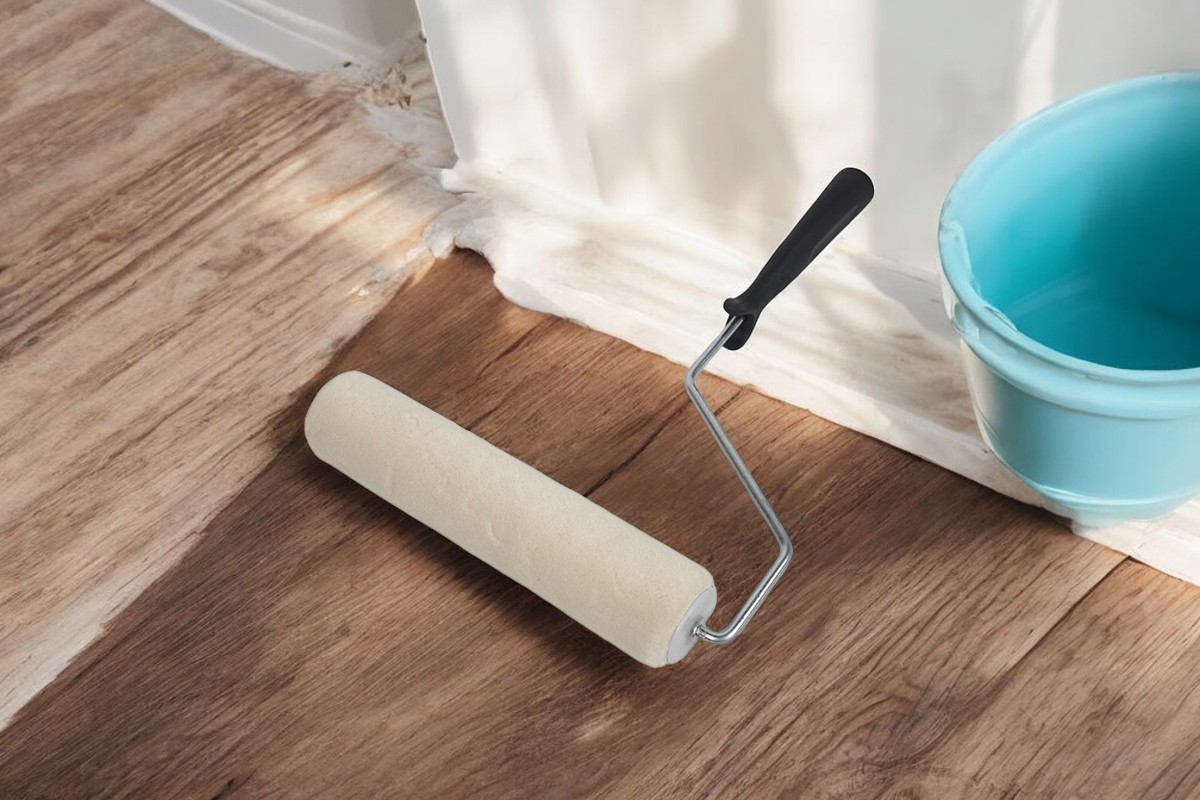
Paint rollers consist of a cylindrical core covered in a material (usually foam or fabric) that absorbs paint and evenly applies it to surfaces. They are available in different sizes and nap thicknesses, making them suitable for various surfaces and finishes.
When to Use a Paint Roller
- Large, Flat Surfaces
- Rollers are ideal for painting large areas such as walls, ceilings, or floors. They can quickly cover a lot of space, making them more efficient than brushes for big projects.
- Smooth or Lightly Textured Surfaces
- On smooth surfaces, rollers provide a consistent finish without brush marks. They can also be used on lightly textured walls, but for rough textures, a roller with a thicker nap is necessary to ensure even coverage.
- Applying Multiple Coats
- When painting surfaces that require multiple coats, a roller can help achieve a uniform finish. It applies the paint evenly and helps cover the surface more quickly than a brush.
- Priming and Base Coats
- Rollers are great for applying primer or base coats before using a brush for detailed work. They help lay down a solid, even base that can be finished with a brush for final details.
Advantages of Paint Rollers
- Efficiency for Large Areas: Quickly covers large surfaces, saving time on big projects.
- Smooth, Even Finish: Ideal for achieving a uniform appearance on walls and ceilings.
- Less Effort Required: Rollers require less physical effort compared to using a brush on large surfaces.
Limitations of Paint Rollers
- Less Control for Detail Work: Rollers are not suitable for painting edges, trim, or intricate designs.
- Difficulty on Textured Surfaces: May not reach deep grooves or uneven areas effectively without a thick nap.
- Requires More Cleanup: Cleaning rollers can be more challenging than cleaning brushes, especially if using oil-based paints.
Comparing Brushes and Rollers for Specific Tasks
- Cutting In (Edges and Borders)
- Best Tool: Paint Brush
- Reason: Brushes allow for precision and control along edges, making it easier to cut in clean lines without paint bleeding onto adjacent surfaces.
- Painting Large Walls or Ceilings
- Best Tool: Paint Roller
- Reason: Rollers are more efficient for covering large areas quickly and provide a smooth, even finish.
- Painting Furniture or Cabinets
- Best Tool: Paint Brush
- Reason: Brushes offer better control for painting smaller surfaces, detailed areas, and reaching corners. They also allow for techniques that create different finishes or textures.
- Priming Walls
- Best Tool: Paint Roller
- Reason: Rollers can apply primer quickly and evenly across large surfaces, providing a good base coat for the final paint layer.
- Touch-Up Work
- Best Tool: Paint Brush
- Reason: Brushes are more suitable for touch-ups due to their precision, allowing for easy blending with the surrounding paint.
- Textured Walls or Rough Surfaces
- Best Tool: Both can be used, but the choice depends on the texture depth.
- Reason: A roller with a thicker nap is better for mildly textured surfaces, while a brush can handle deep grooves and rough areas more effectively.
Choosing between a paint brush and a paint roller depends on the specific requirements of your project. Paint brushes are ideal for detailed work, edges, small surfaces, and textured materials, offering precision and versatility. On the other hand, paint rollers are efficient for covering large areas quickly, providing a smooth, uniform finish on walls, ceilings, and floors.
Understanding the differences in usage will help you select the right tool for the job, ensuring a high-quality finish and a more efficient painting process. By combining both tools appropriately—using rollers for large areas and brushes for detail work—you can achieve professional results on any painting project.